Image 1 of 11
 Image 2 of 11
 Image 3 of 11
 Image 4 of 11
 Image 5 of 11
 Image 6 of 11
 Image 7 of 11
 Image 8 of 11
 Image 9 of 11
 Image 10 of 11
 Image 11 of 11
About this class:
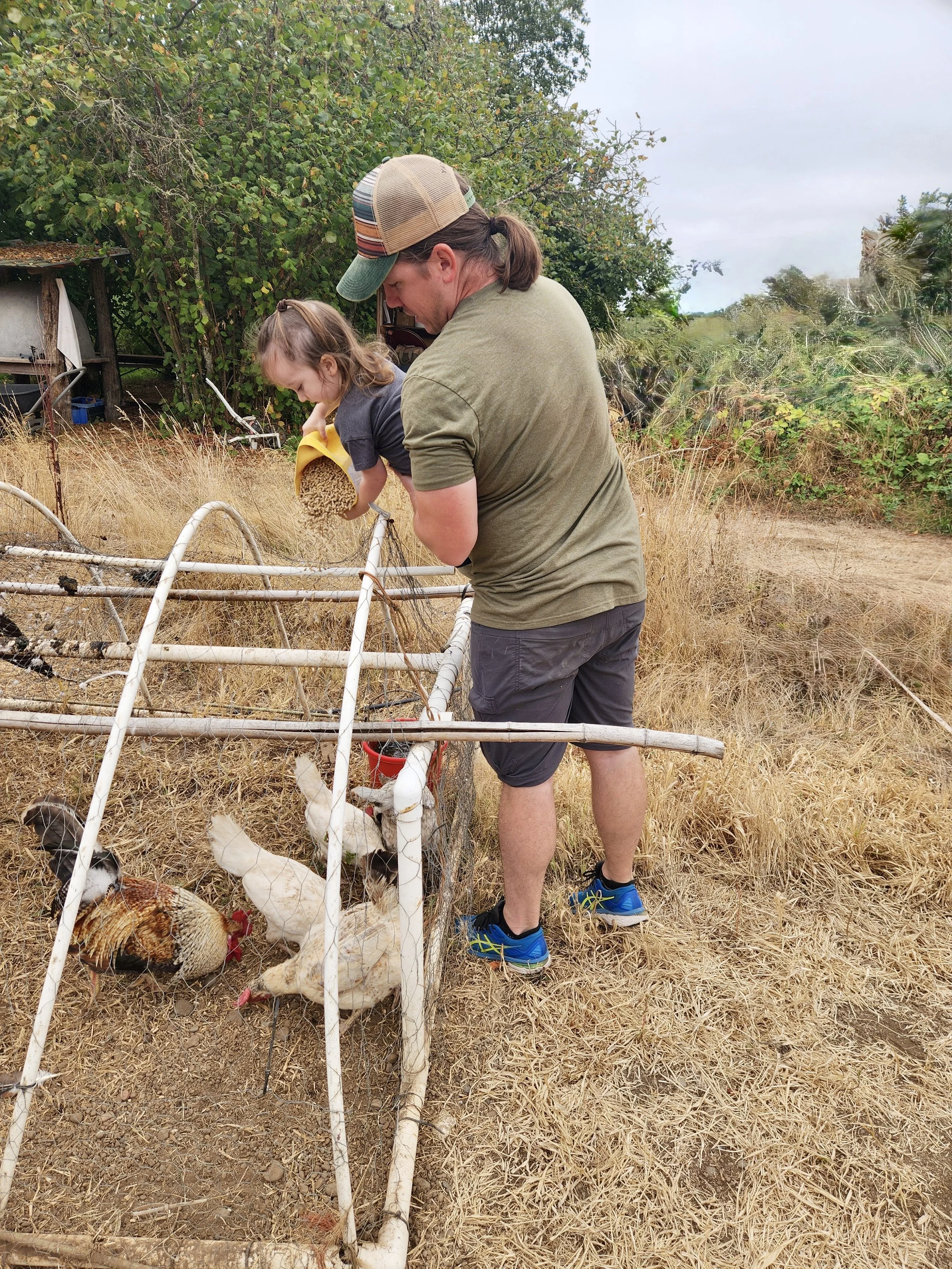
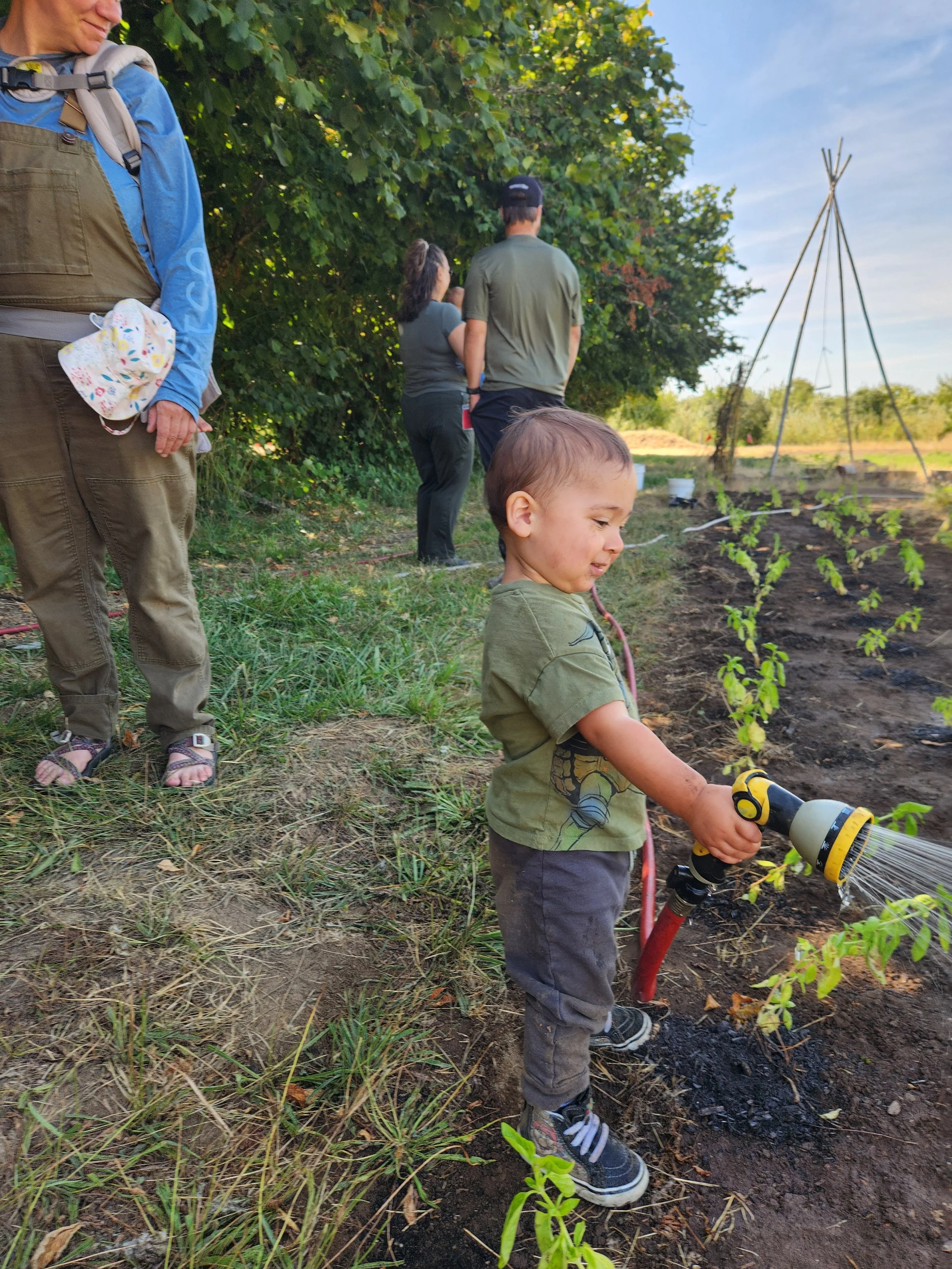
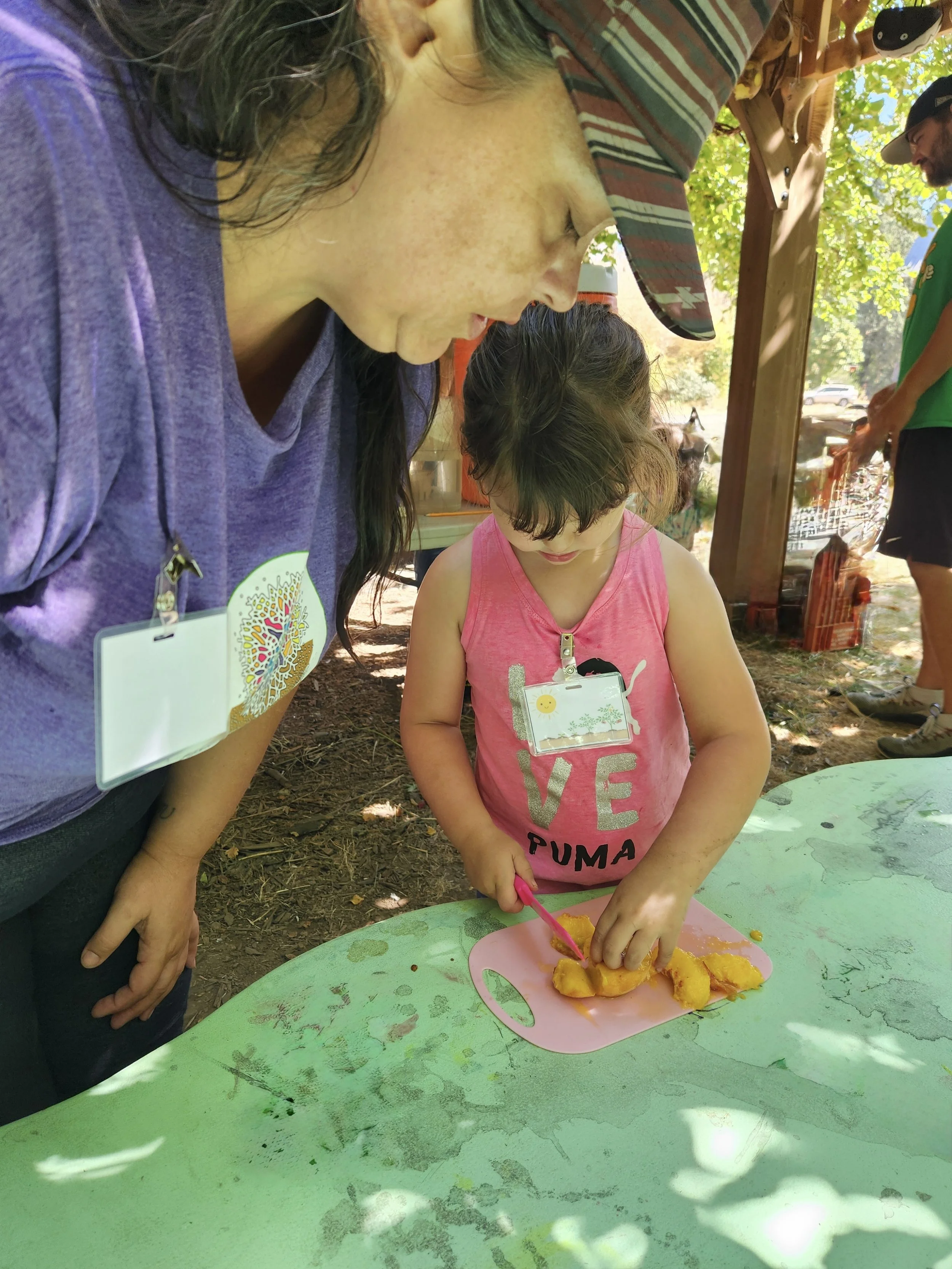
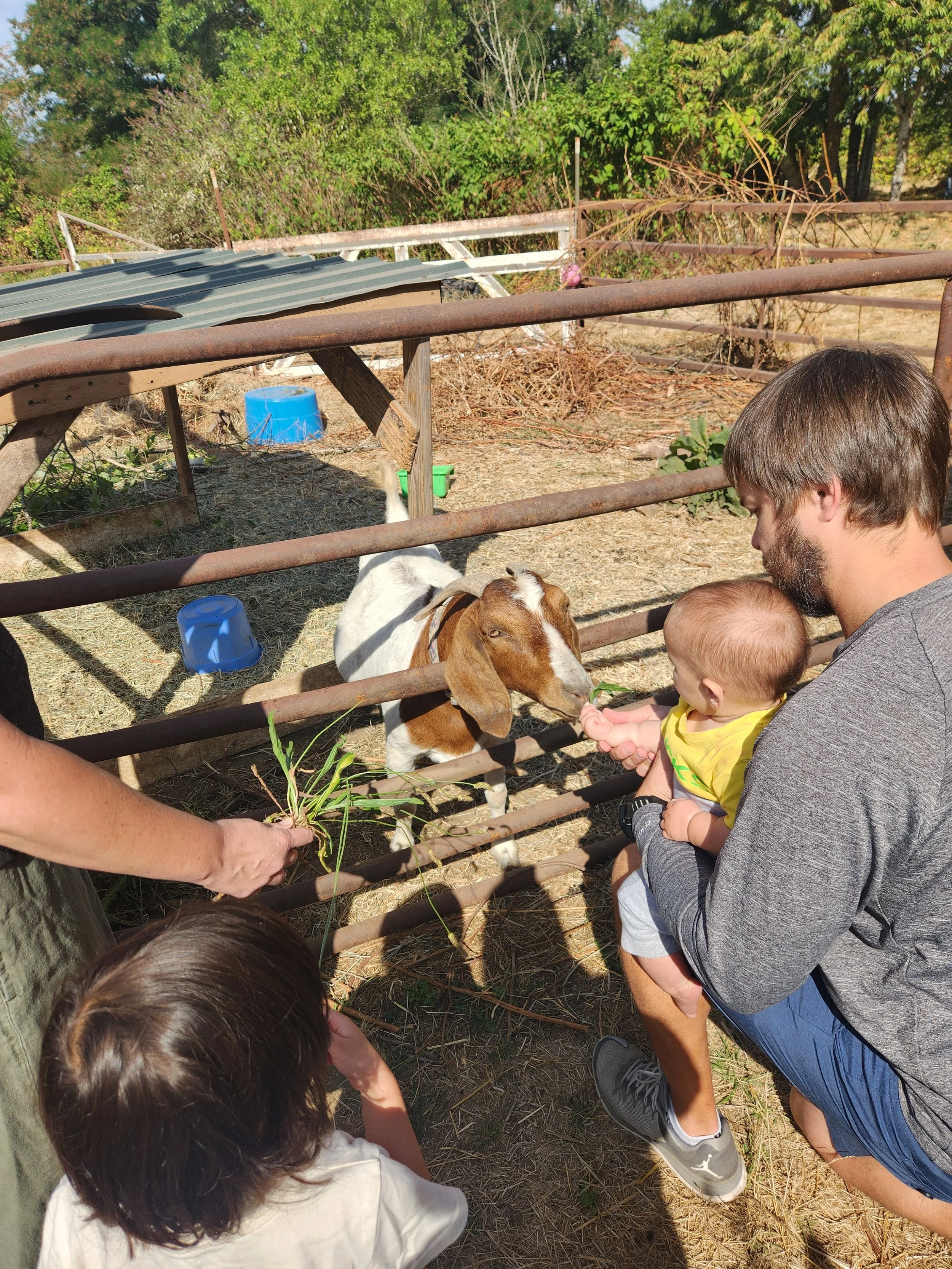
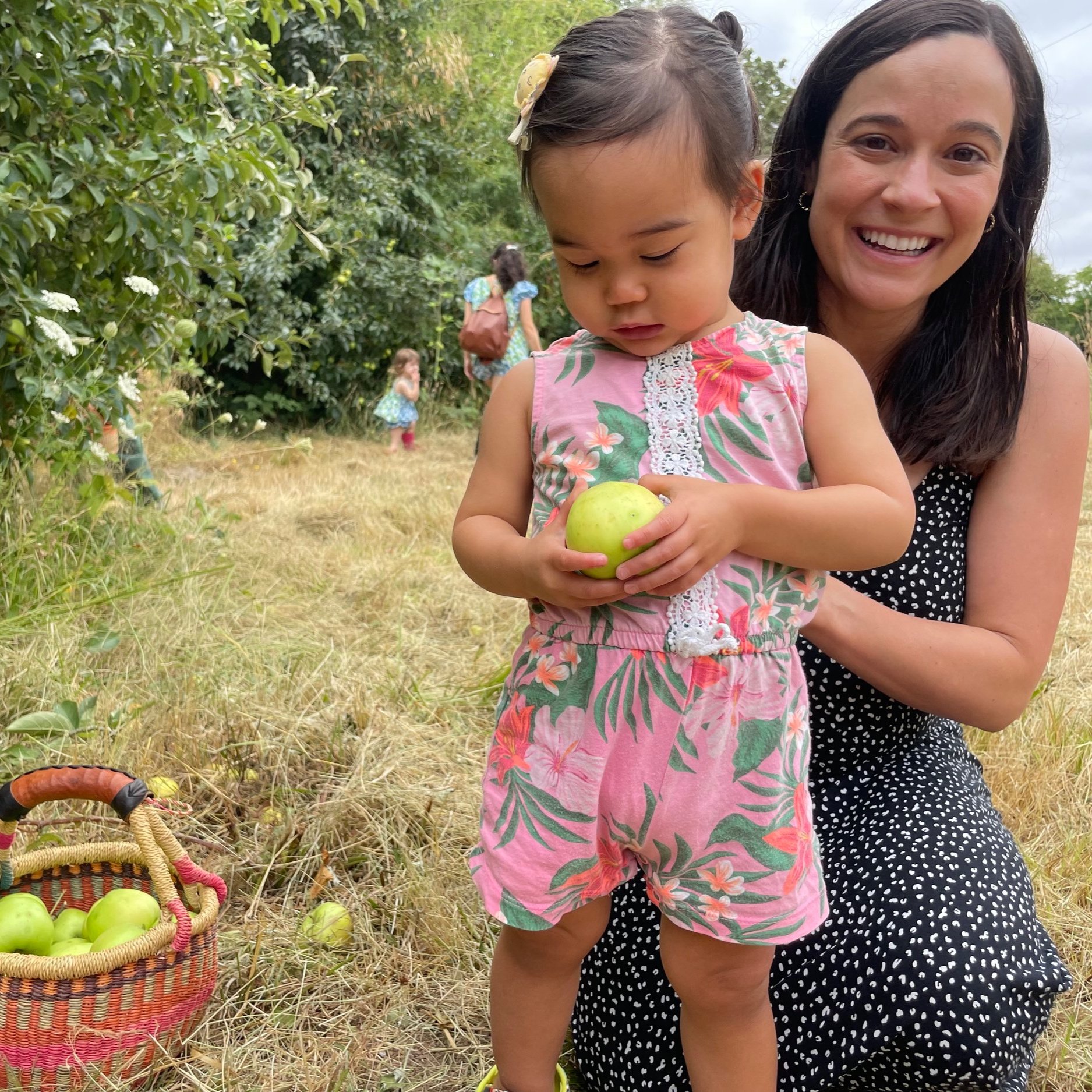
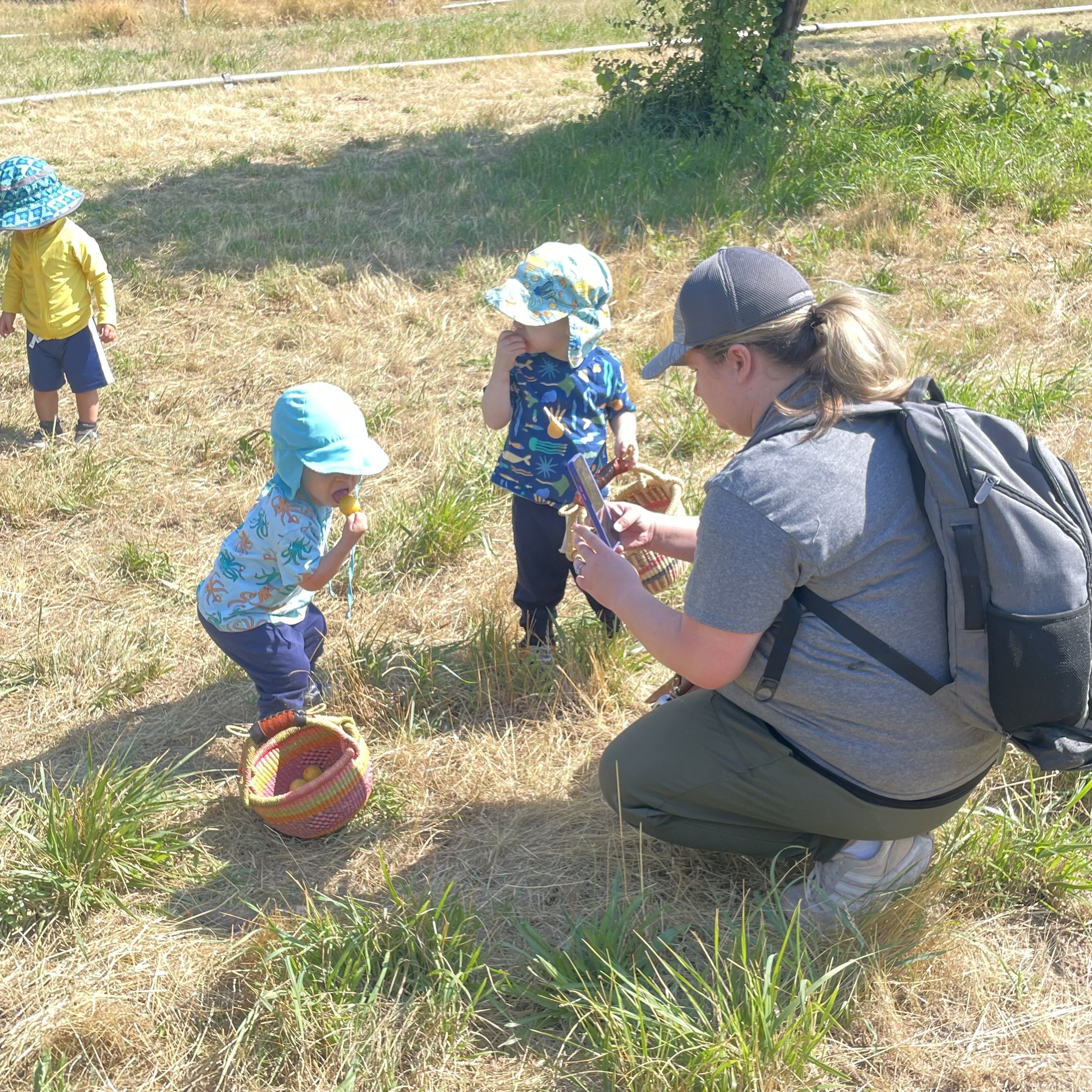
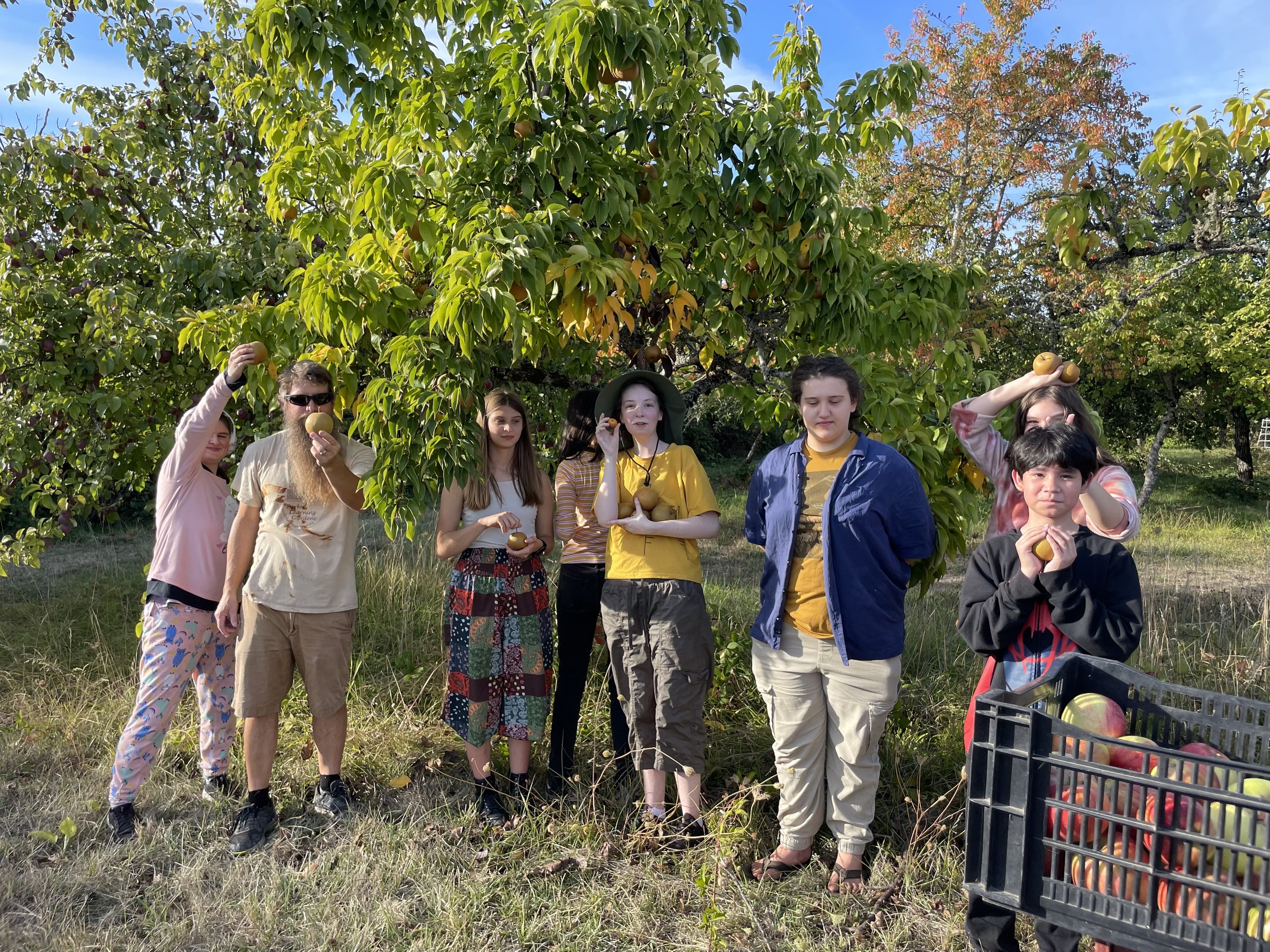
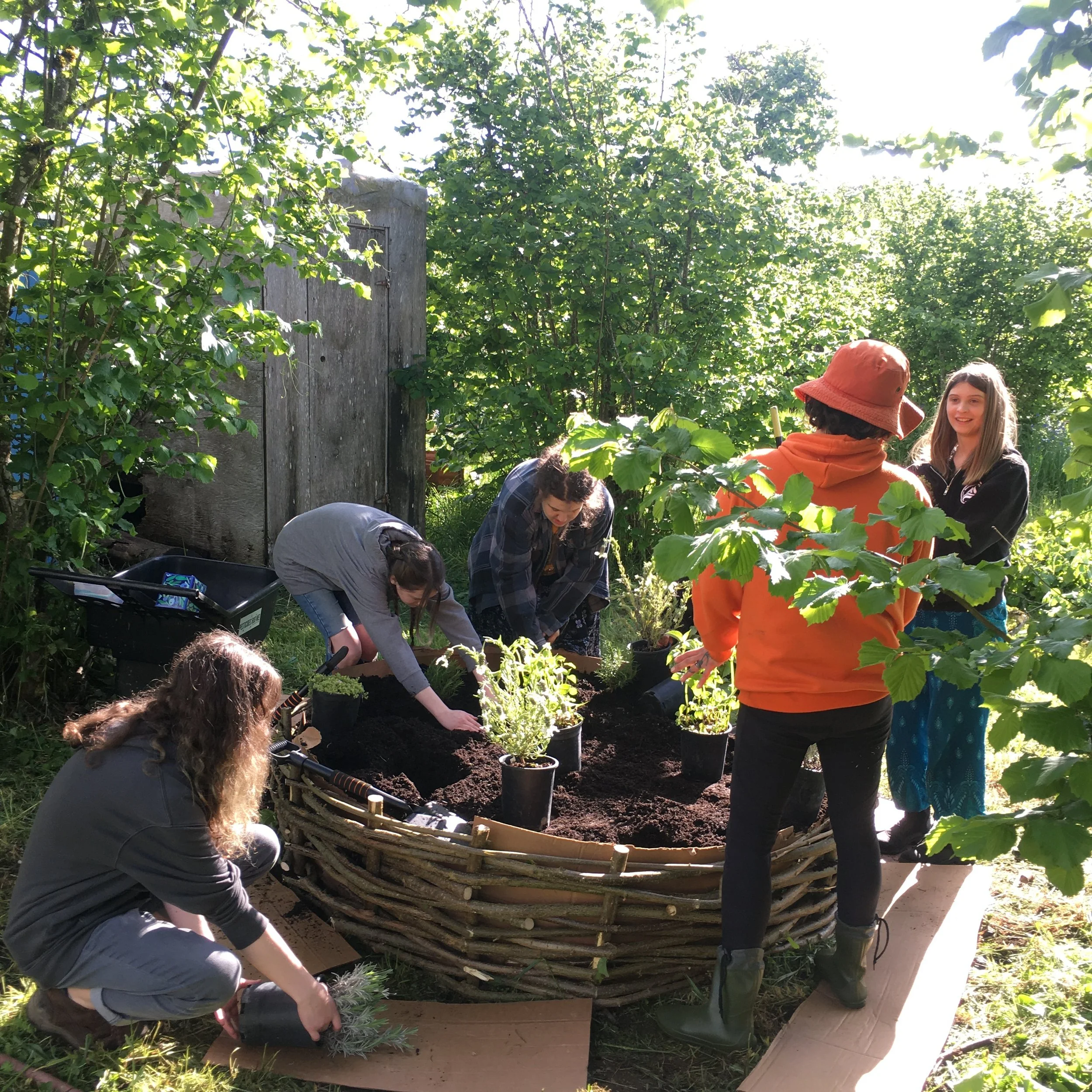
Our activities are rooted in social-emotional learning, embracing a student-centered approach that prioritizes their needs, interests, and choices. In addition to regenerative agriculture and nutrition lessons, students learn to regulate their emotions, collaborate toward common goals, and forge friendships through group discussions, meaningful class projects, and unstructured play. We encourage creativity through food preparation, wildcrafting, singing, and journaling. Students regularly take home nature trinkets, artistic creations, fresh food, and more.
Who can participate:
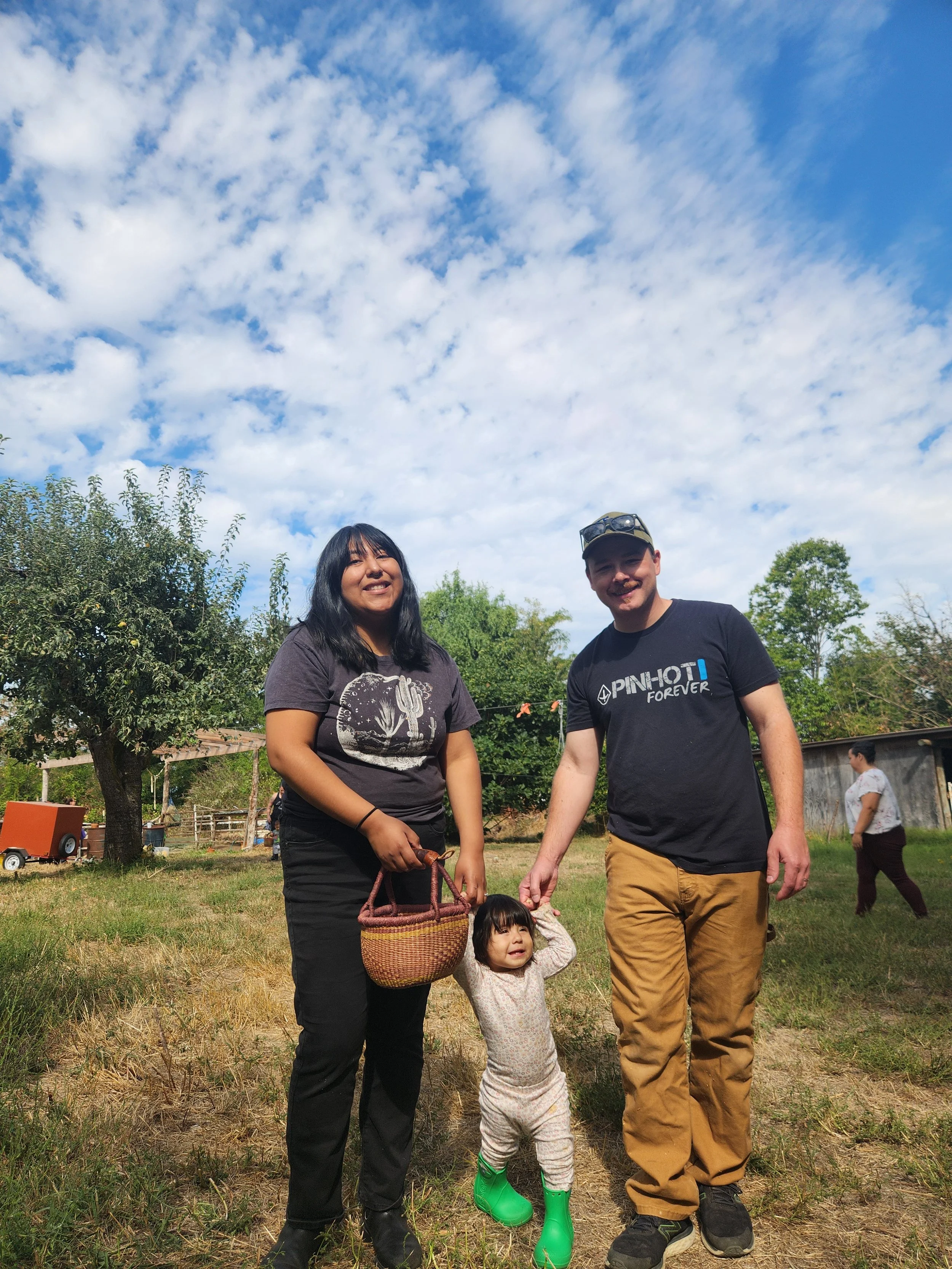
Children ages 5–12* participate independently, without parents or family members present. During our final class of each season, other family members are invited to our Family Day celebration for a farm tour, collaborative cooking & merriment.
Our students represent diverse communities with a wide range of learning styles, cultural backgrounds, abilities, and interests. We work with families to provide reasonable accommodations so students can succeed on their own terms at our farm. Children who need regular 1:1 support or who experience severe sensory dysregulation—particularly intensified by loud sounds or textures common in our environment—may need an outside support person, like a DSP, to participate in this class. We celebrate our diverse needs, including the need for individual support and time away from groups to regulate; however, we are unable to provide 1:1 individual support without additional funding or family-provided support professionals.
*Some 12-year olds may be eligible for our teen class: Youth Discovery Project on Mondays. We will work with families to determine the best class placement for 12-year-olds. Please email us at info@parkerlearninggardens.org for more information.
2026 schedule:
Each season features fresh and exciting projects, ensuring no two seasons are the same! Families can drop children off as early as ten minutes prior to class start time. We will start class circle up promptly 5 minutes after the start time.
Spring: March 11 – May 20 (11 weeks), Wednesdays, 4–6 p.m.
Two-week break - Family gardening opportunities may be available.
Summer: June 10 – August 19 (11 weeks), Wednesdays, 11 a.m. to 1 p.m. (Bring lunch!) - Please note: the first week of summer class (June 10th) will be from 4-6 p.m. to accommodate the final week of school. Following weeks will be from 11 a.m. to 1 p.m.
One-week break - Volunteer opportunities may be available.
Fall: September 2 – November 11 (11 weeks), Wednesdays, 4–6 p.m.
Fall/Winter Break - Ask us about volunteer opportunities!
About our instructors:
Our staff members are approved through the Oregon Department of Education Central Background Registry and receive ongoing training to meet the diverse needs of our students. Sarah “Redbud” has been the lead instructor for Children’s Garden Club since Fall 2024. Redbud came to PLG with extensive experience directing outdoor school programs for groups of 100+ students and managing organic gardens. She loves creating fun opportunities for service learning and encouraging student voice and choice. Read more about Redbud.
Stef “Willow” teaches alongside Redbud and has been teaching at the farm since Summer 2025. Willow enjoys farm animal care, natural & upcycled crafts, and teaching about & finding wild animals. Read more about Willow. We are committed to creating a safe, inclusive learning environment, accommodating diverse student needs. We maintain a 6:1 student-to-instructor ratio (or less), with additional support from instructional volunteers and guest speakers whenever possible.
Communication & 2026 updates:
Please note we have increased our prices slightly to account for rising inflation & payment processing fees. New in 2026, we will be implementing text alerts direct to your phone for our most important messages like class cancellations (due to weather or illness), registration deadlines & more.
Instructors will primarily correspond with caregivers via a communication app to provide and receive real-time feedback regularly like links to farming & gardening tips, recipes, and updates for class. We will send more information about our communication methods closer to the class start date. We can accommodate other family communication needs on a case-by-case basis.
Sample class flow (4-6 p.m.)
3:50-4:05 ARRIVAL: Plant or animal care, art or free play | Individual needs check-in & attendance
4:05-4:20 CIRCLE UP: Snack | Topic intro, plan for the day, announcements | Song or wiggle break | Group needs check
4:20-5 FARM ADVENTURE: Hike & explore with hands-on, land-based learning | Games & free play
5-5:50 FARM ACTIVITY (MAKE): hand washing | Art, nature crafts or cooking | Exploration & free play
5:50-6 CLOSING: Snack time | Reflection & reminders
Lesson topics and activities throughout the year include:
Land-based, student-centered learning: hikes, bug catching, tracking, bird observation, nature journals
Organic gardening & regenerative agriculture: harvesting, weeding, planting, pest management, soil health
Teambuilding, collaborative decison making, cooperative games, and play-based learning
Farm animals and pollinators: life cycles, care & identification
Food & herbal medicine preparation and nutrition: Make pizza, teas, salsa, smoothies, cider, dried fruit, juice, infused syrups & honey
Building and wildcrafting: gourd birdhouses, native bee houses, nature art, smash dyed fabrics & cards
Decomposition, composting, microbes, and fungi: soil + worm play & care
Ethnobotany: Plant identification, care & use for wild, cultivated, edible & posionous plants
Climate, weather, water cycle, and seasons
Ecology, food webs, conservation projects, and environmental care
Field science practices: making observations, asking questions, and using evidence to explain